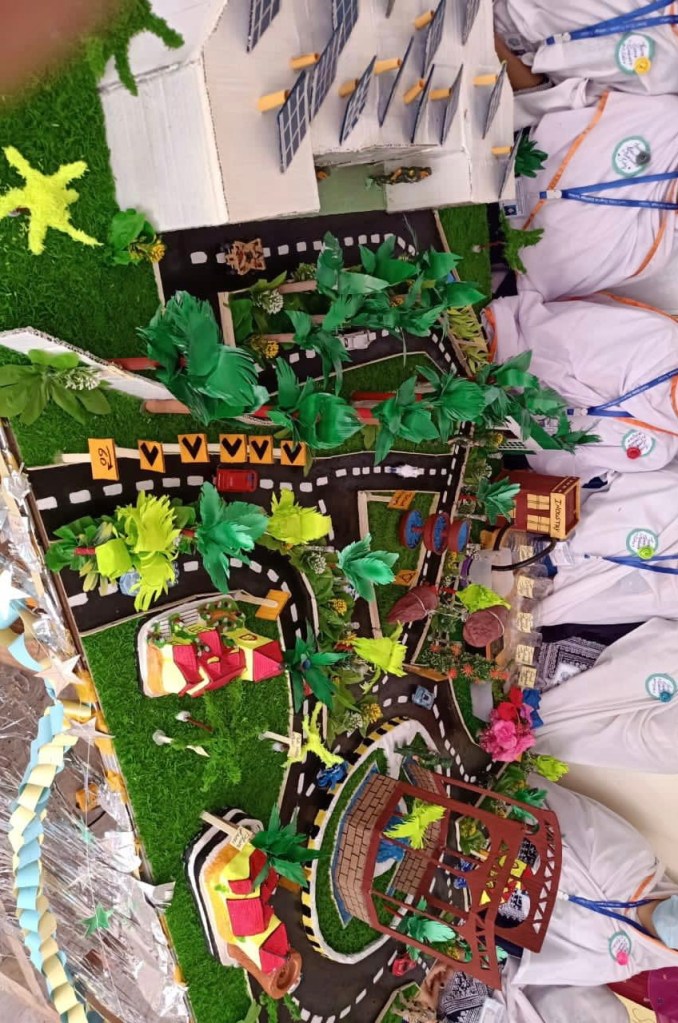
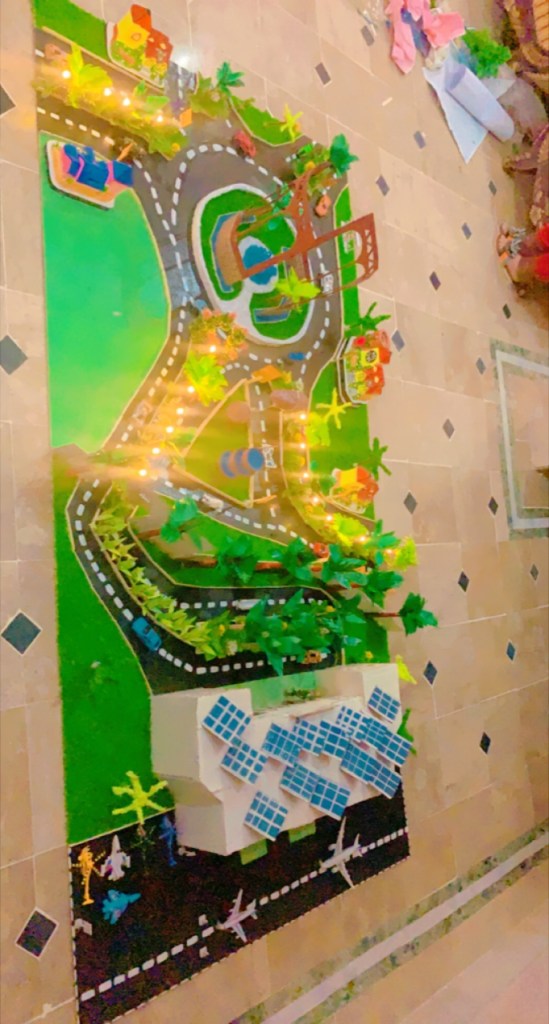
This Green initiative is a based on and is a representation of a project formally known as “Green Baluchistan” presented in a Science Exhibition in Govt. Girls Degree College, Turbat. Which took place in 20th of March, 2021. This Green initiative explains the effects of climate change and as to how we can counter these effects and make Baluchistan a more hospitable place. The aforementioned project had 9 hard working individuals. Members of the project are namely Ayesha Hothman, Fozia Abdul- Samad, Gulnaz Saeed, Kulsoom Mehrab Khan , Misra Khalid, Mehlab Javed Ali, Nida Azeem, Sadaf Ahmed Ali, Zeba Hothman.
This file is not to be copied, edited or used in anyway without the express permission of Zeba Hothman as in accordance to the Pakistani Copy-Right Laws.
A Green initiative has been a long dream of Pakistan
and it its people. Certain regions of Baluchistan has hit ever high temperatures. The heat-wave warms the air and breeds ever-life threatening diseases. The average temperature of 2017 was around 50-52c (125 Fahrenheit degrees), it led to many skin-related diseases such as pigmentation. During the months of June And July, there cases of dehydration and heart attacks were quite heavy in quantity, It also led to paralyzation. The harsh climate of Baluchistan generally dehydrates people and the change in climate (“Oh no missy, the climate change can’t be real! Winters are colder than ever!” Well, i’ve got an explanation for you. The summers come hotter which releases gasses from the glaciers in the arctic into the atmosphere therefore when winter arrives, the cold air is trapped in our atmosphere, making places where it shouldn’t be cold, cold) Isn’t helping make things better which is the why students of Baluchistan decided to matter into their own hands.
How can one reduce heat in a globally accursed region wherein the sun is getting ever-hotter and the climate change isn’t helping? NOW you’re asking the right questions.
We can reduce such intense heat through reduction of carbon dioxide and by planting trees. We know for a fact that Baluchistan is a mixture of mountainous and desert regions, Water in Baluchistan is generally overexploited. People of Baluchistan rely on natural water sources which is leading to a sinking of groundwater level. In order to make Baluchistan a greener place, we need plants that consume a minimum amount of water and keep on thriving.
There are many a great plants which would require the absolute minimum amount of water and keep on thriving, some of which are also cost efficient for the government as the people of Baluchistan are generally living below the poverty line which means the government isn’t drowning in wealth either. Such plants are snake plants, cactuses, date palm trees, Palo verde trees, acacia trees, coconut trees etc.
The cost of certain trees will be mentioned in the table below.
Name of the plants
1) coconut plant
2) Date Tree
3) Cactus tree
4) Snake plant
Cost per plant
1) 200
2) 500
3) 300
4) 350
Plantation of 400 plants
1) 80,000
2) 200,000
3) 120,000
4) 140,000
Total expenses with maintenance
1) 150,000
2) 270,000
3) 190,000
4) 210,000
These plants require little to no water in order to survive, the planation of said plants would result in a reduce carbon emission, should we line up regions of Baluchistan for i.e. Turbat with the aforementioned trees it would double rainfall and increase the vegetation cover drastically, Turbat’s sand is usually light which means it tends to reflect a lot of light and heat back into the air, If we covered the said sand in trees, It would mean more sun would be absurd and it would increase the ground temperature. Warmer air rises to areas in the atmosphere where it’s cooler, and moisture then condense and falls as rain, before you know it, one of the most extreme climates in Pakistan would undergo a significant makeover.
That’s all good and fair, it’s a reasonable explanation but how would we be accumulating the tremendous amount of water in order to start off these plants? You’d have me explain that as well?ALRIGHT, SEEMS AS IF I HAVE TO DO EVERYTHING.
General suggestions included extraction of water from the ground by drilling it using a rigging machine, Well boring machines, along with the drilling cost would be around 150,000 per rig. Should we place a well per every 4km, it’d be a folly considering it’d drain the ground water itself as it is generally overexploited, The water wouldn’t last long and it’d be overly expenses. There’s too many factors at play and none of them are ever advantageous which is the why we’ve turned to another methodology.
Sewage/General. Treatment. Plant. You read that right, we can easily solve our water problem and save an excessive amount of water by simply installing a large scale treatment plant in the outskirts of our city that’d collect water from industrial areas such as cement factories, ice factories and waste from houses generally for filtration.
Filtration would accommodate for the scarcity of water in Baluchistan and would solve immense budget problems regarding the greenery. We could carry over to pipelines. Store the excess water in water tanks for possible future usage. It’d also reduce pollution which is ever more merrier for the climate. The costs for the treatment plant would be around 1.5 to 2 crore.
Back to the heatwave and pollution in question, The
pollution from the fossil fuels used to produce electricity creates a green house effect which leads to harsher climate. Hotter summers and colder winters. Burning coal and fossil fuel releases pollutants in the air as well leads to intoxication of lungs, it makes the breathing air quite toxic. It results in early deaths, respiratory disorders, strokes and exacerbation of asthma and absenteeism at school and work.
There are better sources of energy such as wind and solar. The population of Baluchistan is low, and the solar panels don’t pollute as much as fossil fuels if at all. Most houses, businesses and industrial areas in Turbat are already self-sufficient, We ought to use replace a bit of the fossil electricity with green energy. Such as solar and wind panels. It’d solve the energy problems of Baluchistan.
Should the government fully support this plan, we can bring greenery in Baluchistan within a year.
Written By
Zeba Hothman Baluch
 Informative
I have read and shared your article on Twitter. It sounds a reasoned argument to me but it’s not hard to blind people with science. I wish you luck with the project. 🙂 🙂
LikeLiked by 1 person
Aww Thank You so much means a lot🥺❤️😭
LikeLiked by 1 person
Oh thank you so much🥹❤️
LikeLike
Self-belief and hard work will always earn you success
LikeLiked by 1 person